

One of the first questions people ask after a crash is simple: “Does the other driver have insurance?”
When the answer is no, everything can feel more stressful. You may be hurt, your car may be damaged, and now you are wondering who is going to pay for the medical bills, missed work, and repairs.
If you were hit by an uninsured driver in Indiana, you may still have options. The situation can be frustrating, but it does not always mean you are stuck paying for everything yourself.
This guide explains what to do after an uninsured driver accident in Indiana, how uninsured and underinsured motorist coverage may help, and why it is important to understand your rights before accepting any insurance decision.
What Does It Mean If a Driver Is Uninsured in Indiana?
An uninsured driver is someone who does not have active auto insurance coverage at the time of the crash.
Sometimes, this means the driver never had insurance. Other times, their policy may have lapsed because of missed payments, cancellation, or other issues.
This can create a serious problem for injury victims because Indiana is a fault-based state for car accidents. In plain language, that means the driver who caused the crash is generally responsible for the harm they caused.
But if the at-fault driver has no insurance, recovering compensation may become more complicated.
That is why your own auto insurance policy may become important.

Uninsured vs. Underinsured Drivers in Indiana
These two terms sound similar, but they mean different things.
Uninsured Driver
An uninsured driver has no valid insurance coverage for the accident.
This may happen when:
- The driver did not carry insurance
- The policy was canceled
- The policy had expired
- The driver was excluded from the policy
- The vehicle was not properly insured

Underinsured Driver
An underinsured driver has insurance, but not enough to cover the full harm caused by the crash.
For example, if your medical bills, lost income, and other damages are higher than the at-fault driver’s insurance limits, that driver may be underinsured.
This matters because serious injuries can quickly exceed a low insurance policy limit.
How Uninsured Motorist Coverage May Help
Uninsured motorist coverage, often called UM coverage, may help if the at-fault driver does not have insurance.
Instead of seeking payment from the uninsured driver’s insurance company, you may need to file a claim through your own auto insurance policy.
This can feel confusing because many people assume their insurance company is automatically on their side.
Your insurance company may still ask questions, request documentation, review medical records, and evaluate the value of your claim. In some cases, they may dispute how much should be paid.
That is why it is important to keep records and understand your rights.

How Underinsured Motorist Coverage May Help
Underinsured motorist coverage, often called UIM coverage, may apply when the at-fault driver has insurance, but not enough to cover the full amount of your losses.
For example, imagine another driver causes a serious crash. Their insurance pays the policy limit, but your medical bills and lost wages are still much higher. Underinsured motorist coverage may help cover some of the remaining losses, depending on your policy and the facts of your case.
These claims can be complicated because they often involve more than one insurance issue.
You may be dealing with:
- The at-fault driver’s insurance company
- Your own insurance company
- Medical billing
- Vehicle repairs
- Lost wage documentation
- Settlement paperwork
It can become overwhelming quickly, especially when you are also trying to recover physically.

What to Do After an Accident With an Uninsured Driver
If you are hit by a driver with no insurance in Indiana, the steps you take can make a major difference.
Call 911 and Report the Crash
Always report the accident. A police report can help document who was involved, where the crash happened, whether anyone was hurt, and whether the other driver had insurance.
If the other driver cannot provide proof of insurance, that should be documented.
Get Medical Attention
Do not assume you are fine just because you can walk away from the crash. Some injuries take hours or days to appear.
Common delayed injuries include:
- Neck pain
- Back pain
- Headaches
- Concussions
- Shoulder injuries
- Knee injuries
- Soft tissue injuries
Getting medical attention protects your health and creates a record connecting your injuries to the accident.
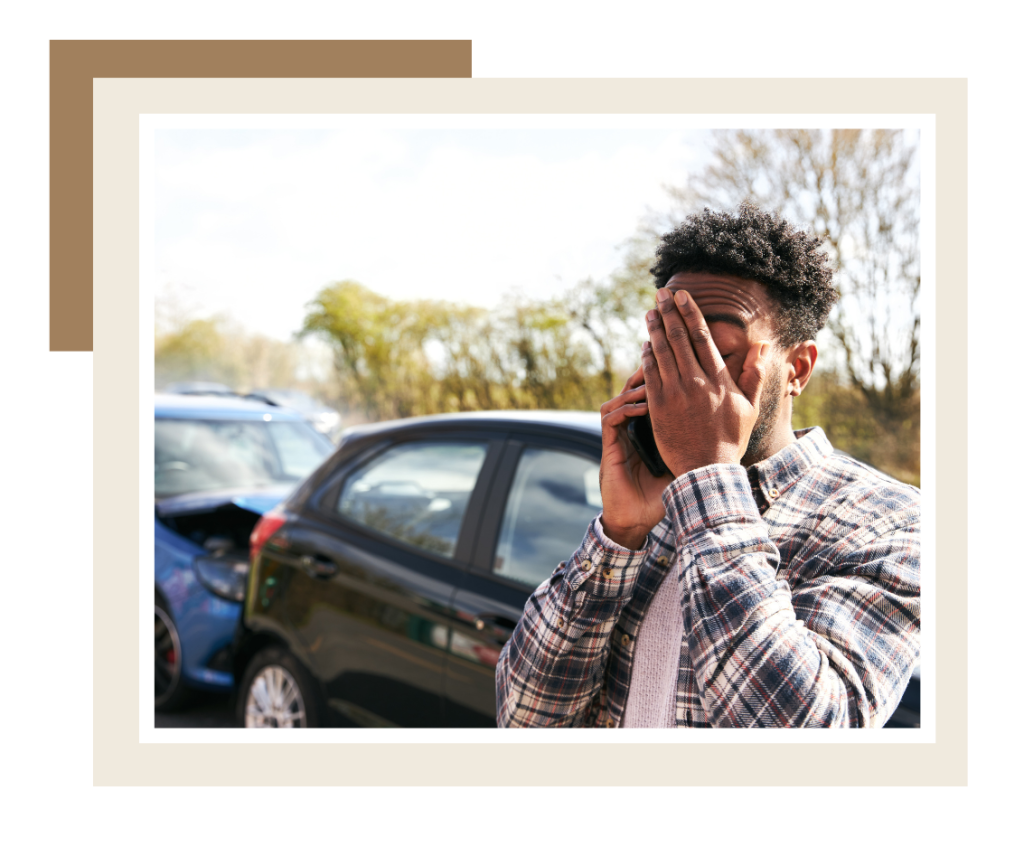
Gather Information at the Scene
If it is safe and you are physically able, collect:
- The other driver’s name
- Driver’s license information
- License plate number
- Vehicle details
- Contact information
- Photos of the vehicles
- Photos of the accident scene
- Witness contact information
Even if the driver has no insurance, this information may still matter for your claim.

Notify Your Insurance Company
You should report the crash to your own insurance company. Be honest and provide basic facts.
However, be careful before giving a recorded statement or accepting a settlement. Your insurance company may still be evaluating the claim from a business perspective.
If you are unsure what to say, it may be wise to speak with an Indiana personal injury lawyer before going into detail.
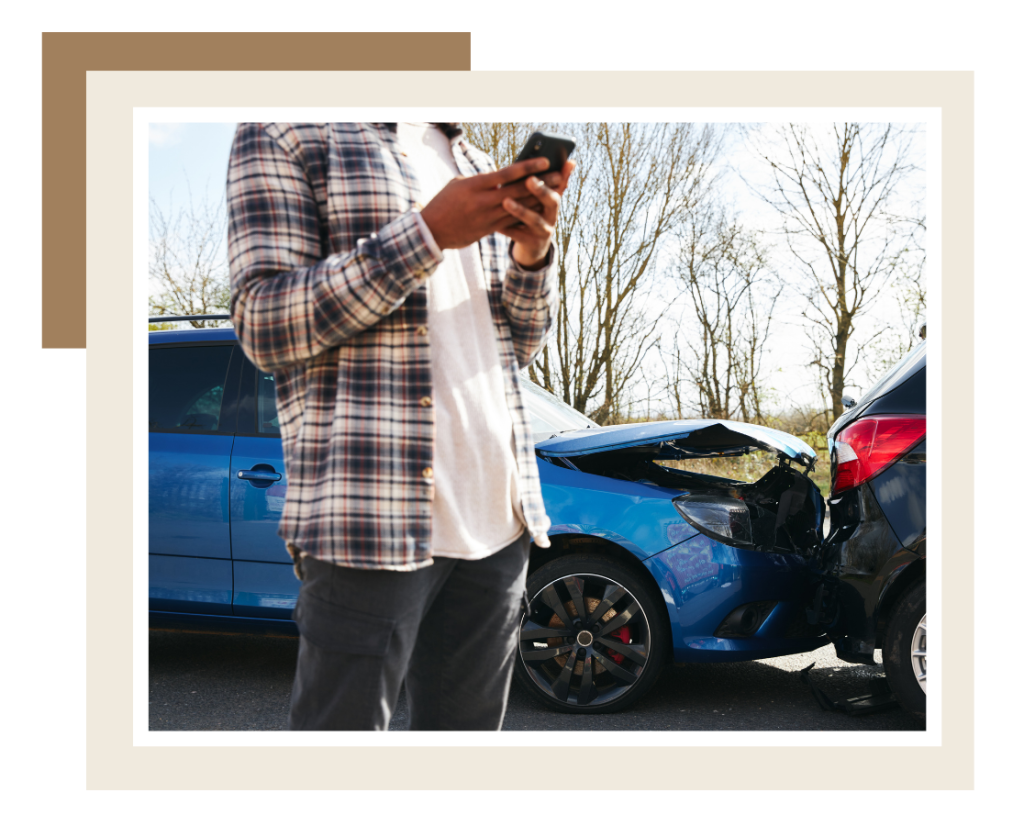
Why Your Own Insurance Company May Still Push Back
Many people are surprised when their own insurance company questions their uninsured motorist claim.
You may think, “I paid for this coverage. Why is this so hard?”
The reality is that even your own insurer may try to limit what it pays. They may question:
- Whether your injuries came from the crash
- Whether your treatment was necessary
- Whether you waited too long to see a doctor
- Whether the other driver was fully at fault
- Whether your damages are as high as you claim
- Whether your policy covers the full situation
This does not mean your claim is weak. It means insurance claims often require documentation, persistence, and careful communication.

What Compensation May Include After an Uninsured Driver Accident
If you were injured in an uninsured driver accident in Indiana, compensation may depend on your injuries, your insurance coverage, and the facts of the crash.
A claim may include:
Medical Bills
This can include emergency care, hospital treatment, doctor visits, surgery, medication, physical therapy, and future medical care.
Lost Wages
If your injuries caused you to miss work, your claim may include lost income.
If your injuries affect your ability to work in the future, that may also matter.

Pain and Suffering
Pain and suffering refers to the physical pain, emotional stress, and daily disruption caused by the accident.
This may include anxiety, sleep problems, trouble driving, difficulty caring for your family, or limits on normal activities.
Property Damage
Your claim may include vehicle repairs, replacement costs, towing, rental expenses, or other accident-related property damage.
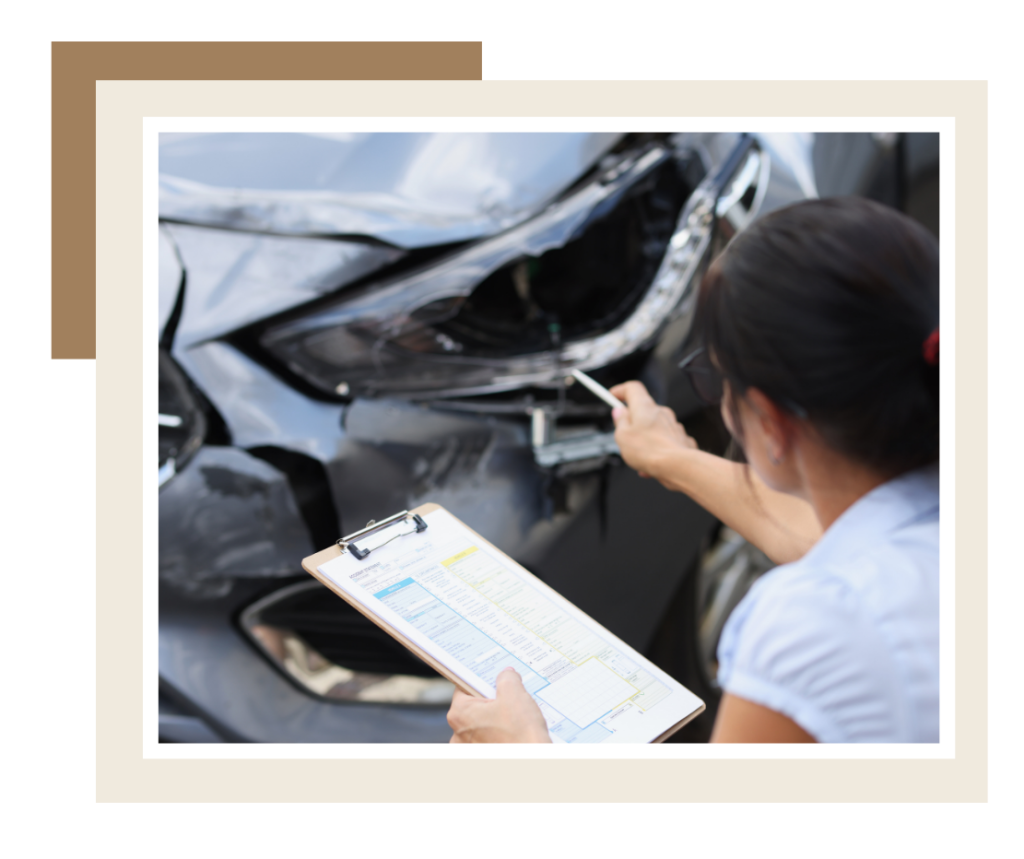
What If the Driver Leaves the Scene?
Sometimes uninsured drivers panic and leave the scene. This may be treated as a hit-and-run accident.
If this happens, try to stay calm and focus on safety.
Do not chase the driver. Instead:
- Call 911
- Write down anything you remember
- Look for witnesses
- Check for nearby cameras
- Take photos of the scene
- Get medical care
- Contact your insurance company
Hit-and-run claims may involve uninsured motorist coverage, depending on the policy and circumstances.

How Indiana Fault Rules Can Affect Your Claim
Indiana follows modified comparative fault. This means that if you are partly responsible for the accident, your compensation may be reduced by your percentage of fault.
If you are found more than 50 percent at fault, you may not be able to recover compensation.
This matters because insurance companies may try to shift some blame onto you, even when the other driver had no insurance.
They may argue that you were speeding, distracted, following too closely, or could have avoided the crash.
Evidence can help protect your claim. This may include:
- Police reports
- Photos
- Medical records
- Witness statements
- Repair estimates
- Camera footage
- Insurance documents
How Long Do You Have to File a Claim in Indiana?
In many Indiana personal injury cases, you generally have two years from the date of the accident to file a lawsuit. This deadline is called the statute of limitations.
That may sound like a lot of time, but waiting can make your case harder.
Over time:
- Evidence can disappear
- Witnesses may become harder to find
- Camera footage may be erased
- Medical records may become harder to organize
- Insurance disputes may become more difficult
There may also be shorter deadlines in certain situations, especially if a government vehicle or public entity is involved.
It is better to ask questions early instead of waiting until the deadline is close.

Common Mistakes to Avoid After an Uninsured Driver Accident
After an uninsured driver crash, many people make decisions too quickly because they are stressed and need answers.
Try to avoid these mistakes:
- Assuming there is no way to recover compensation
- Skipping medical care
- Giving a recorded statement without understanding your rights
- Accepting the first settlement offer
- Failing to check your own insurance policy
- Not saving medical bills and repair records
- Waiting too long to ask for legal help
The biggest mistake is assuming that no insurance means no options.
That is not always true.

When Should You Call an Indiana Personal Injury Lawyer?
You may want to speak with a lawyer if:
- You were injured
- The other driver had no insurance
- The other driver did not have enough insurance
- Your insurance company is delaying the claim
- Your claim was denied
- You were offered a low settlement
- You missed work because of your injuries
- Your medical bills are increasing
- You are unsure what your policy covers
An Indiana personal injury lawyer can help review the insurance coverage, explain your options, gather evidence, and communicate with the insurance company.
The goal is to help you make informed decisions instead of feeling pressured or confused.
Do Not Assume You Are Out of Options
Being hit by an uninsured driver in Indiana can feel discouraging. You may feel like the person who caused the crash avoided responsibility, while you are left to deal with the consequences.
But you may still have a path forward.
Your own insurance coverage may help. Other parties may need to be investigated. The facts of the crash may create legal options you did not know were available.
The most important step is to get clear information before you make decisions.
Talk to Ybarra Law Firm About Your Next Steps
After an uninsured driver accident, it is normal to feel frustrated and unsure about what comes next. You may be dealing with pain, medical bills, car repairs, missed work, and insurance questions all at once.
Ybarra Law Firm helps injury victims understand their rights and take the next step with confidence. If you were hit by an uninsured driver in Indiana, our team can help you understand your options.
Ready to talk? Book your FREE consultation today.

