

When people hear the term “estate planning,” they often assume it is only for people with significant wealth or complicated assets. In reality, estate planning in Texas is about making important decisions before your family is forced to make them for you.
If you have children, own a home, have financial accounts, run a business, or simply want more control over what happens to your property and personal affairs, an estate plan can provide important direction.
At Ybarra Law Firm, we help families create practical estate plans based on their needs, goals, and circumstances. Whether you are creating your first will or reviewing documents you already have, planning ahead can make important decisions clearer for you and the people you love.
What Is Estate Planning?
Estate planning is more than simply writing a will. It is the process of deciding how you want certain financial, legal, and health care matters handled during your lifetime and after your death.
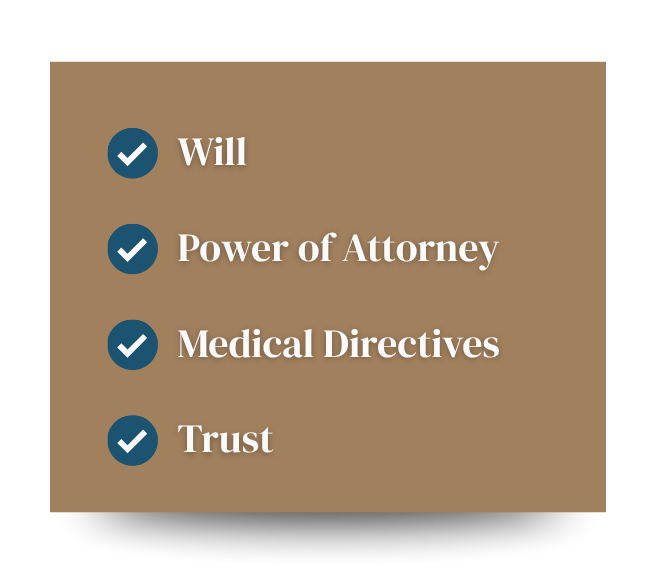
A well-rounded estate plan may include:
- A Last Will and Testament to specify who inherits your belongings and who will care for your children.
- A Power of Attorney to name someone who can handle legal and financial matters if you’re unable to.
- Medical Directives that clearly state your healthcare wishes in emergencies.
Not every family needs exactly the same documents.
A good estate plan should reflect your family, property, goals, and concerns rather than relying on a one-size-fits-all approach.
Why Estate Planning Matters for Everyone
You do not have to be wealthy to have something worth protecting.
Your home, savings, personal property, family responsibilities, and ability to make decisions for yourself all matter.
Without proper planning, Texas law may determine how certain property passes after your death, and your family may have fewer instructions about who should handle important responsibilities.
Estate planning can help you:
- Make your wishes for your property clearer
- Identify beneficiaries
- Name the person you want to serve as executor
- Designate your preference for who should care for minor children
- Choose someone you trust to handle certain financial matters if needed
- Make your health care wishes known
- Reduce uncertainty for your loved ones
- Give your family clearer direction during a difficult time
Estate planning cannot guarantee that disagreements or legal issues will never arise. However, clear and properly prepared documents can help reduce uncertainty and give your family a better understanding of your wishes.
What Your Estate Plan Should Include
Every family is different, but several documents are commonly considered when creating an estate plan in Texas.
1. Will
A will allows you to provide instructions about what should happen to certain property after your death. Your will can also allow you to:
- Name beneficiaries for your property
- Name the person you want to serve as executor
- Designate your preference for a guardian for minor children
- Provide instructions for administering your estate
Having a will does not automatically avoid probate.
However, a properly prepared will can provide clearer instructions for the probate process. Texas law also allows a person to provide for independent administration in a will, which can limit the amount of ongoing court involvement required during administration of the estate.
If you die without a valid will, Texas intestacy laws generally determine who inherits property that passes through your probate estate.
2. Power of Attorney
A Statutory Durable Power of Attorney can authorize someone you trust to handle certain property and financial matters on your behalf.
Texas law allows an individual to use a statutory durable power of attorney to grant an agent authority regarding property and financial matters.
Depending on how the document is prepared, this may become especially important if illness, injury, or another circumstance prevents you from managing certain affairs yourself.
The person you name may be given authority to address matters involving financial accounts, property, transactions, or other powers included in the document.
Because this person may have significant authority, choosing someone you trust is an important part of the planning process.
3. Medical Directives
Health care planning is another important part of a complete estate plan.
Texas recognizes several types of advance directives.
For example, a Directive to Physicians and Family or Surrogates, sometimes called a living will, allows you to communicate certain wishes about future medical treatment if you become unable to make those wishes known.
A Medical Power of Attorney allows you to designate someone to make health care decisions for you when you are no longer capable of making them yourself.
These documents serve different purposes, which is why it is important to understand which documents make sense for your situation.
Planning ahead can help your family and health care providers better understand your wishes during a difficult medical situation.
Estate Planning in Texas Has Practical Advantages
Texas estate planning laws provide several options that can help families create practical plans for the future.
Independent Administration
Texas allows a person to provide for independent administration in a will. Once properly established, independent administration generally involves less continuing probate court supervision than a dependent administration.
That does not mean every estate will be simple or that probate can always be avoided. The process depends on the will, assets, debts, family circumstances, and other issues involved.
No Current Texas Inheritance Tax
Texas does not currently impose the former state inheritance tax. The Texas inheritance tax was repealed effective September 1, 2015, and no Texas inheritance tax return is required for deaths occurring on or after January 1, 2005.
Federal estate tax considerations may still apply to some estates, so tax planning questions should be evaluated based on the size and circumstances of the estate.
Community Property Considerations
Texas is a community property state.
For married couples, understanding how property is characterized and owned can be an important part of estate planning. A thoughtful plan can help clarify how you want property handled and whether additional planning documents may be appropriate.
The important point is that Texas families have options.
Your estate plan should be designed around your actual property, family structure, and goals rather than assumptions about what happens automatically.
Estate planning is easier to address when you have time to think through your choices.
Waiting until there is a serious illness, family emergency, or other crisis can limit the options available and place additional pressure on the people involved.
You may want to create or review an estate plan after major life changes such as:
- Getting married
- Getting divorced
- Having or adopting a child
- Buying a home
- Starting or selling a business
- Experiencing a significant financial change
- Losing a spouse or another loved one
- Moving to Texas
- Creating a blended family
- Realizing your existing documents are outdated
Even if none of these events has happened recently, it can still be worthwhile to review documents that were created years ago.
Your family, finances, property, and wishes can change over time. Your estate plan should reflect your life as it exists today.
Creating an estate plan is not about expecting the worst. It is about giving yourself more control over important decisions before those decisions become urgent.
Simple. Affordable. Bilingual.
At Ybarra Law Firm, our goal is to make estate planning in Texas easier to understand and more approachable for the families we serve.
We offer:
- Free consultations
- Practical estate planning guidance
- Estate planning services based on your family’s needs
- Bilingual legal support in English and Spanish
- Help with wills, powers of attorney, advance health care directives, and trust planning when appropriate
- Clear explanations throughout the planning process
If Spanish is the language you are most comfortable using, you should be able to discuss your family, property, wishes, and questions directly with your legal team.
Ybarra Law Firm serves estate planning clients throughout Dallas-Fort Worth and the Rio Grande Valley with bilingual support and personalized guidance.
Your estate does not have to be large or complicated to be worth planning for.
Start Your Estate Plan With Ybarra Law Firm
Whether you are creating your first estate plan or reviewing documents that no longer reflect your life, planning ahead can help you make important decisions on your own terms.
Ybarra Law Firm helps individuals and families understand wills, powers of attorney, advance health care directives, trust planning when appropriate, and other considerations involved in estate planning in Texas.
Our bilingual team can help you review your goals, understand the documents available, and build a plan that reflects the people and priorities that matter to you.
Contact Ybarra Law Firm today to schedule your FREE consultation and take the next step toward creating your estate plan.
